
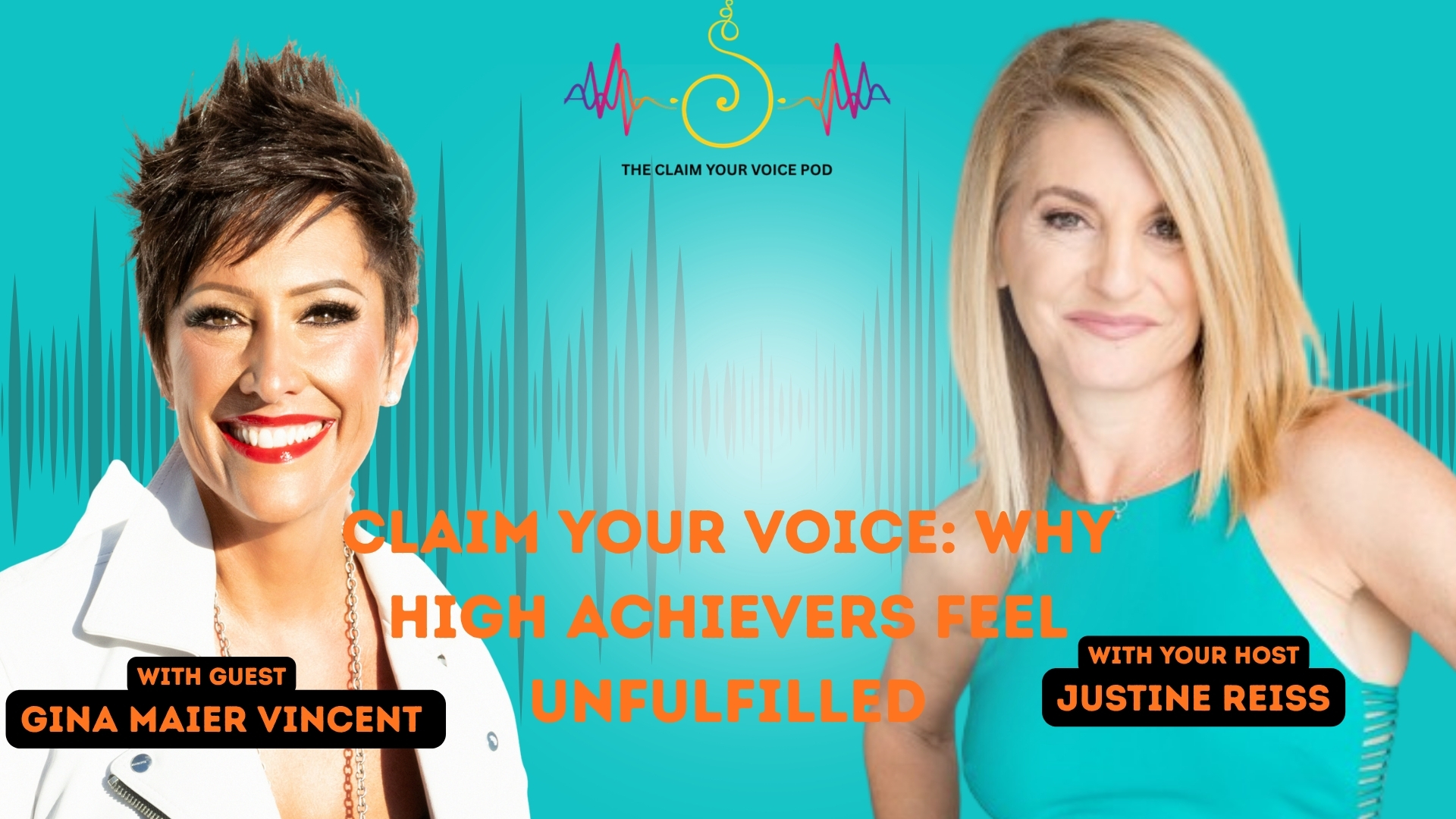
The Hidden Pain of Underliving: Find True Fulfillment
Personal Growth, Emotional Well-Being, Purpose
The Hidden Pain of “Underliving”: Why Being Fine Isn’t Enough
On the outside, everything looks great: the career, the calendar, the curated life. Yet inside, something feels quietly off. Drawing on insights from Gina Maier Vincent’s powerful conversation about “Underliving,” this article explores why so many successful people feel unfulfilled—and how you can start feeling truly alive again.
What “Underliving” Really Means
Gina Maier Vincent uses the term “Underliving” to describe a subtle but painful experience: you are technically living your life, but not really in it. You hit the milestones, meet expectations, and keep moving—but you feel disconnected from your own heart, body, and desires. Underliving isn’t failure; it is success without aliveness.
It often shows up in high achievers who learned early to perform, please, and push through. They become masters at showing up for everyone else while slowly disappearing from their own lives. On paper, they are thriving. In private, they feel numb, restless, or quietly sad and cannot quite explain why.
How to Recognize Underliving in Your Own Life
You answer “I’m fine” automatically, even when you are not sure how you actually feel.
Your days are full, but your inner life feels flat or mechanical.
Rest makes you anxious; you reach for your phone, inbox, or to-do list the moment there is a pause.
You struggle to name what you want beyond “getting things done” or “keeping everyone happy.”
If these resonate, you may not be failing at life—you may be underliving it.
Why “I’m Fine” Can Be Dangerous
“Fine” is socially acceptable armor. As Gina points out, it keeps things smooth on the surface while hiding what is really happening underneath. When you repeatedly tell yourself and others that you are fine, you train your nervous system to ignore your own signals—exhaustion, resentment, grief, longing, even physical symptoms.
Over time, this disconnect can lead to burnout, depression, or health crises that seem to “come out of nowhere.” Being fine keeps you functioning but prevents you from asking the deeper questions: What do I need?What lights me up?What is this life actually for?
The Hidden Costs of Busyness and Overachievement
Busyness looks impressive, but it often hides avoidance. Constant overachievement can be a way to outrun discomfort, silence, or self-doubt. Gina highlights how many people use packed schedules as a socially rewarded escape from feeling their own lives.
The costs are real: shallow relationships, dull creativity, chronic stress, and a haunting sense that you are missing your own life while trying so hard to “make the most of it.” You might be productive—and profoundly disconnected.

When busyness crowds out curiosity, productivity rises while your sense of aliveness quietly declines.
Creating White Space: Where Life Rushes Back In
Gina talks about the power of “white space”—intentional room in your day with no agenda. This is not wasted time; it is where your nervous system can settle, your intuition can speak, and your real desires can surface. White space transforms:
Relationships: You listen more deeply, respond instead of react, and actually feel present with people you love.
Creativity: Ideas emerge when your mind is not jammed with tasks. Insight needs oxygen.
Well-being: Your body can finally downshift, reducing anxiety, tension, and emotional reactivity.
💡 Pro Tip: Start with ten unscheduled minutes a day. No phone, no task—just notice your breath, your body, and what you are actually feeling.
Productivity vs. Purpose: A Crucial Difference
Productivity is about output—how much you can do, ship, or manage. Purpose is about alignment—whether what you are doing actually matches your values and what makes you feel alive. You can be wildly productive and deeply misaligned, which is the heart of underliving.
Gina invites us to ask, “Productive for what?” When you reconnect with purpose, your to-do list becomes a tool, not a measure of your worth.
Discernment Over Boundaries—and the Power of Speaking Up
Boundaries matter, but Gina emphasizes that discernment—knowing what is truly right for you in a given moment—is even more powerful. Discernment asks: Is this mine to hold?Is this yes coming from fear or from truth? From there, boundaries become natural expressions of self-respect, not rigid rules you are trying to enforce.
Speaking up, from this discerning place, can literally save lives—your own included. When you voice discomfort, ask for help, or check in on someone who seems “fine,” you interrupt isolation. You create openings for support, honesty, and healing that might not happen otherwise.
Reconnecting with Joy: Creativity, Curiosity, and Play
Underliving thrives in seriousness. One of the most radical shifts Gina encourages is to reintroduce play. Creativity, curiosity, and play are not childish extras; they are direct pathways back to yourself. They remind your nervous system what delight feels like.
Try a creative hobby you have “no time” for—painting, music, gardening, photography—without needing to be good at it.
Follow curiosity for an hour: read about something random, wander a new neighborhood, or ask deeper questions in conversation.
Your Voice Is a Superpower: Feeling More Alive Starting Today
One of Gina’s most important insights is that your voice—spoken, written, or expressed through art—is one of your greatest superpowers. When you name your truth, even softly, you reconnect with yourself and invite others to do the same. Silence protects the performance. Voice protects the person.
Here are practical ways to feel more alive today:
Tell the truth once. When someone asks how you are, answer one layer deeper than “fine.”
Create ten minutes of white space. Sit, walk, or breathe without input and simply notice what arises.
Choose one purposeful action. Do something small that aligns with your values, not your image—text a friend, apologize, rest, or start the project you keep postponing.
Add a moment of play. Put on music and dance in your kitchen, doodle during a break, or laugh on purpose with someone you trust.
Underliving does not mean you are broken. It means you are ready for a new way of being—one where success is measured not only by what you achieve, but by how deeply, honestly, and joyfully you are here for your own life.


